

 English


Cases
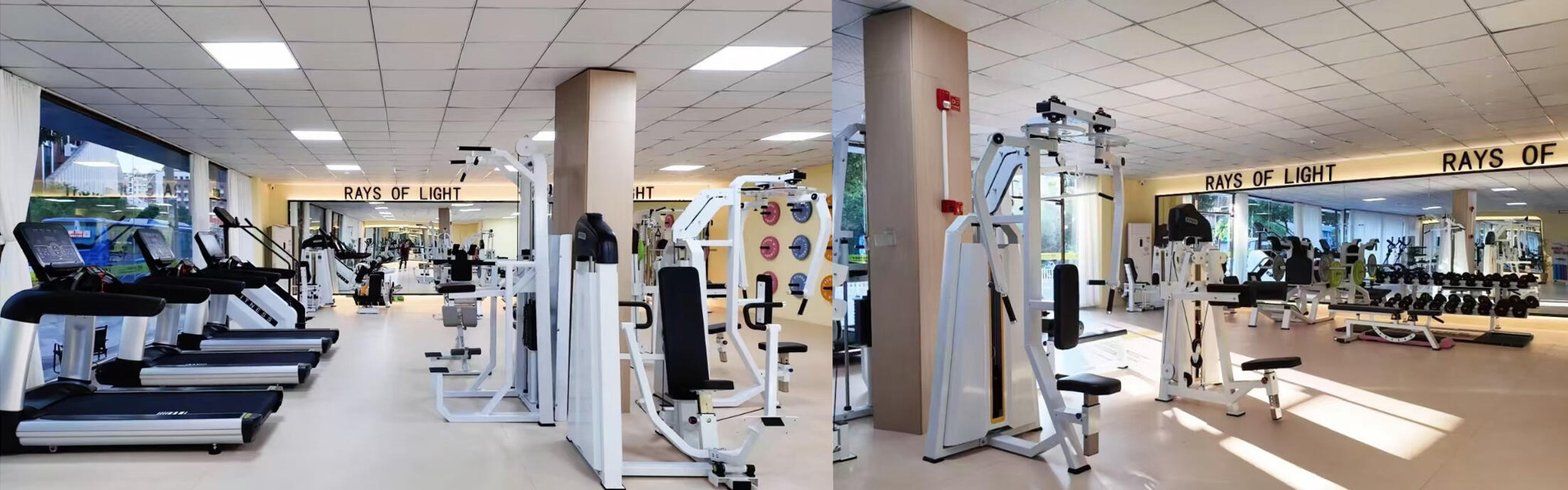
In a prime urban location, a 300-square-meter professional Pilates studio has quietly become a new favorite among fitness enthusiasts and wellness seekers. Designed with equal attention to training efficiency and visual harmony, the studio is more than a workout venue — it is a thoughtfully built environment where movement, breathing, and concentration come together. From spatial planning to equipment selection, every detail reflects a commitment to professional standards and long-term user experience.
Spatial Layout: A Balance Between Function and Aesthetics
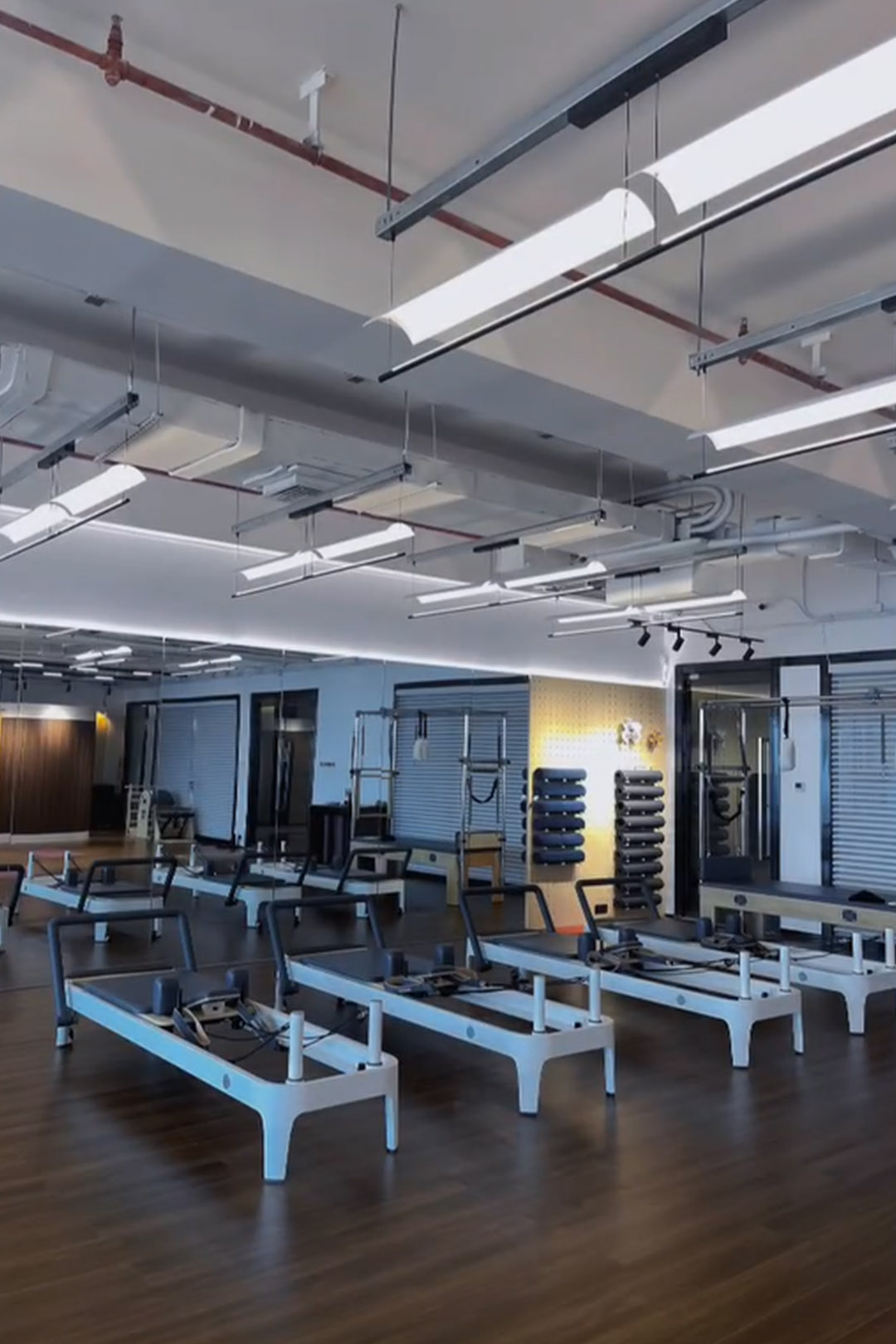
The 300-square-meter space is carefully divided into multiple functional zones, allowing different types of training to take place simultaneously without interference. Circulation paths are wide and clear, ensuring both safety and comfort. The overall design language blends warm tones with natural materials, creating a calm and focused atmosphere that supports mindful movement.
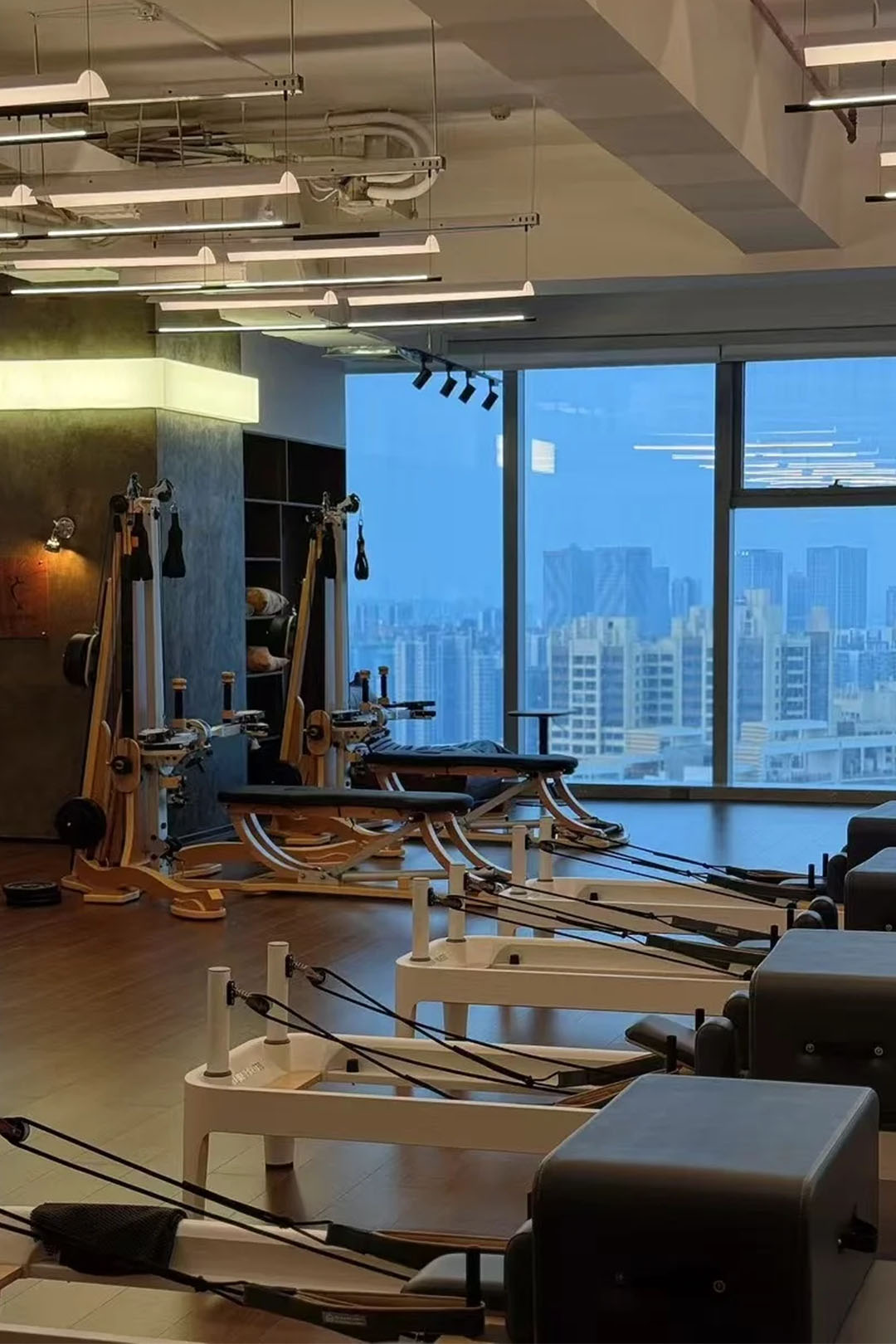
The core training area is the visual and functional center of the studio. A row of precisely aligned Pilates Reformers forms the foundation of group classes and private sessions. These machines, supplied by MANGO Fitness Equipment Factory, feature smooth carriage travel, quiet operation, and highly accurate resistance settings. Their stability and ergonomic design help instructors deliver structured programs while allowing students to maintain proper alignment and control throughout each movement.
Adjacent to the main area is the comprehensive training zone, where classic large apparatus such as the Cadillac and Wunda Chair are arranged with sufficient safety clearance. This section is used for rehabilitation-based sessions, advanced strength work, and skill-focused training. The equipment not only expands exercise possibilities but also adds a professional visual identity to the studio, reinforcing its positioning as a high-standard Pilates facility.
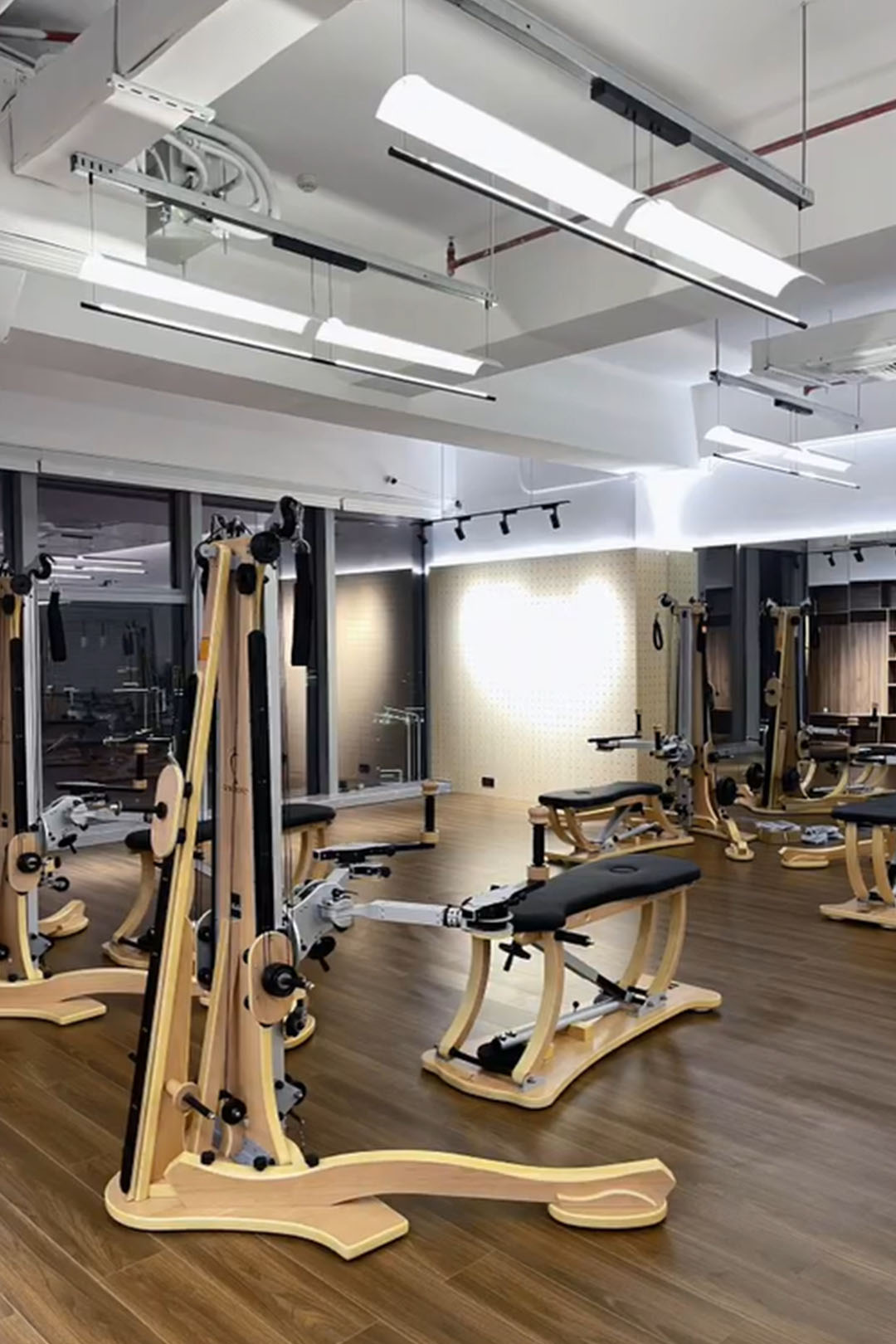
A separate corner is dedicated to Gyrotonic-style training equipment. The wooden structures and circular movement patterns of these machines complement the linear resistance systems of Pilates apparatus. This zone is especially popular among members seeking improved mobility, coordination, and joint-friendly strength development.
Equipment Selection: The Foundation of Professional Quality
The studio’s founders emphasize that equipment choice is one of the most critical decisions in building a serious Pilates space. Rather than selecting based only on appearance or price, they evaluated manufacturing standards, structural durability, after-sales support, and user feedback. This process led them to partner with MANGO Fitness Equipment Factory as their primary Pilates equipment manufacturer and supplier.
MANGO’s production approach follows strict commercial-grade standards. From frame construction to spring calibration, each Pilates machine is engineered for high-frequency studio use. Materials are carefully selected for load-bearing strength and long-term stability, while upholstery and contact surfaces are designed for both comfort and easy maintenance. Each unit undergoes repeated performance testing before delivery.
According to the studio founder, this reliability has made a measurable difference in daily operations:
“From installation to daily teaching, MANGO’s equipment has been consistently stable and precise. The sliding systems are smooth, resistance feedback is accurate, and maintenance needs are minimal. For a professional studio, that level of dependability is essential. Choosing a factory with real manufacturing depth gave us much more confidence.”
Training Experience: Where Equipment Meets Instruction
In a professional Pilates environment, equipment is not just hardware — it is an extension of teaching methodology. The studio’s instructors design progressive programs that make full use of each apparatus’s mechanical advantages.
The Pilates Reformer enables highly precise training through its guided carriage and adjustable spring system. Instructors can fine-tune resistance and range of motion so that beginners build safe foundational strength while advanced students pursue higher control and power. The consistent performance of the machines ensures that movement quality — not equipment variability — determines training outcomes.
Cadillac and Wunda Chair stations support highly individualized programming. With multiple attachment points and resistance directions, instructors can adapt exercises for rehabilitation clients, athletes, and prenatal or postnatal members. This versatility allows the studio to serve a broader population without compromising training specificity.
The Pulley Tower zone adds another dimension to the studio’s service offering. Circular and spiral movement patterns help users develop fluid strength and joint resilience, making it an effective complement to traditional Pilates training.
Atmosphere and Member Experience
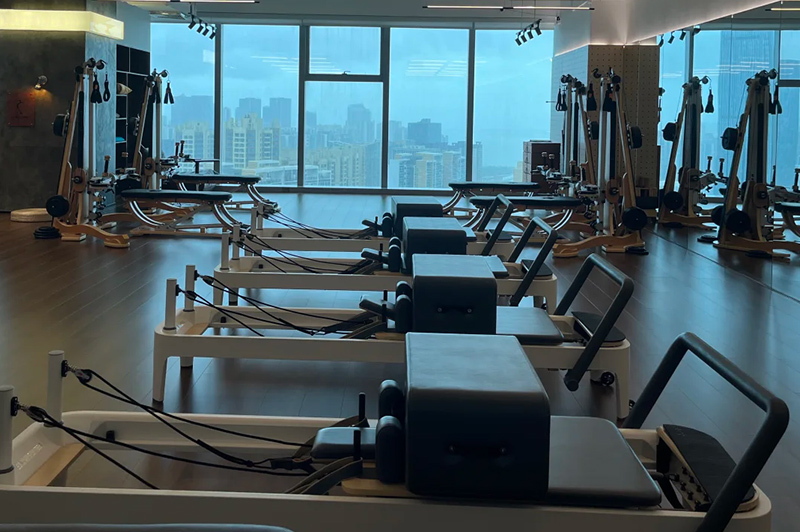
Environmental design plays a major role in how members perceive and enjoy their sessions. Large floor-to-ceiling windows bring in abundant natural light during the day, reducing visual fatigue and enhancing mood. In the evening, layered warm lighting maintains clarity without harsh glare. Acoustic treatment keeps noise levels controlled, even during busy class hours.
Storage systems are integrated into the walls to keep small props organized and out of sight, preserving visual cleanliness. Rest areas and consultation corners allow instructors to communicate with members comfortably before and after sessions, strengthening the sense of community.
Conclusion
This 300-square-meter professional Pilates studio demonstrates how thoughtful spatial planning and high-quality equipment can work together to create a truly effective training environment. Its success highlights a key principle in studio development: professional results require professional tools. By partnering with an experienced Pilates equipment manufacturer like MANGO Fitness Equipment Factory, the studio secured not only durable apparatus but also long-term operational confidence.
As more studios pursue higher standards in both training and design, reliable equipment partnerships will continue to be a decisive factor in moving from a good studio to an exceptional one.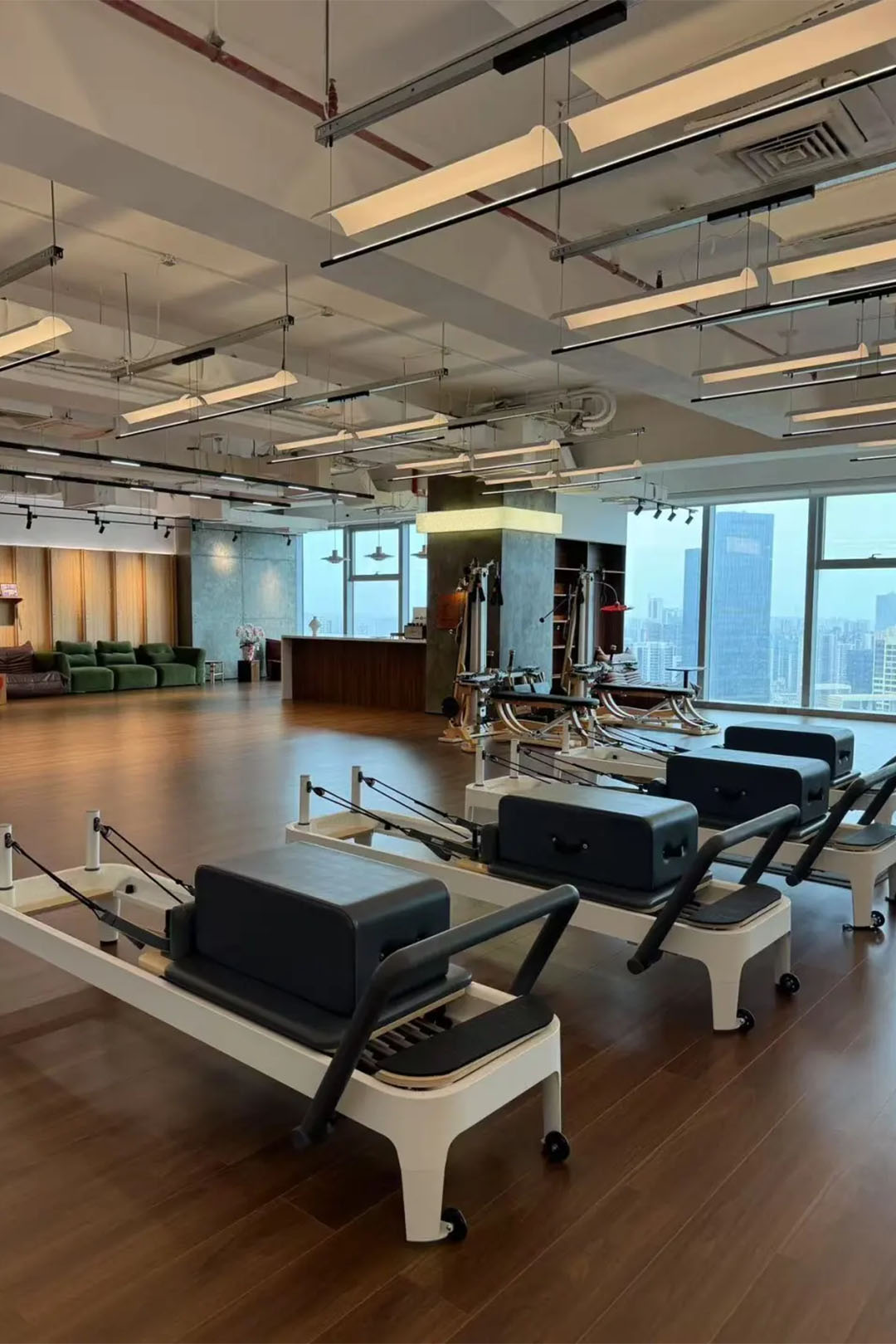

Kenya
Amos purchased women's gym equipment from us through Google and spoke highly of our equipment after receiving it.She said:Your equipment is of good quality.,So many people admire myequipments,I really need to be ur agent in Kenya.

Nigeria
Aisha is a yoga enthusiast with 10 years of experience as a yoga instructor.She purchased a batch of Pilates machines from MANGO Gym Equipment Factory and opened a private Pilates studio.She said that MANGO's equipment is of high quality and the service is also very good,and she hopes to continue the cooperation.

Thailand
The founder of Elite Pilates Studio said that she was grateful to the MANGO fitness equipment factory for developing a gym plan for her free of charge.MANGO provided her with a lot of help in the process of opening her Pilates studio,which made her entrepreneurial process much easier.

Uzbekistan
A fitness enthusiast bought a piece of equipment from MANGO many years ago for personal use.A few years later,she decided to open her own fitness studio with Pilates equipment.She chose MANGO as her partner again,saying she loved the equipment.









GUANGZHOU GANAS FITNESS EQUIPMENT CO.,LTD is one of the top ten brands of full-set commercial gym equipment in China. It provides and produces a full set of commercial gym equipment and has a complete production process and quality management system to ensure that each product meets the expectations and requirements of customers.
Copyright © 2026 Mango Sports Goods Co., Ltd All rights reserved.


