In recent years, Pilates has become one of the most popular fitness methods for improving flexibility, posture, and core strength. Many beginners often ask a common question: can Pilates be done without equipment? The short answer is yes—Pilates can absolutely be practiced without equipment. However, while mat Pilates offers accessibility and simplicity, Pilates equipment plays a critical role in enhancing training effectiveness, providing resistance, and supporting professional-level workouts.
For manufacturers and suppliers of Pilates machines and equipment, understanding this balance is essential. While bodyweight Pilates introduces people to the practice, professional studios and advanced practitioners often rely on Pilates equipment to unlock the full potential of the method.
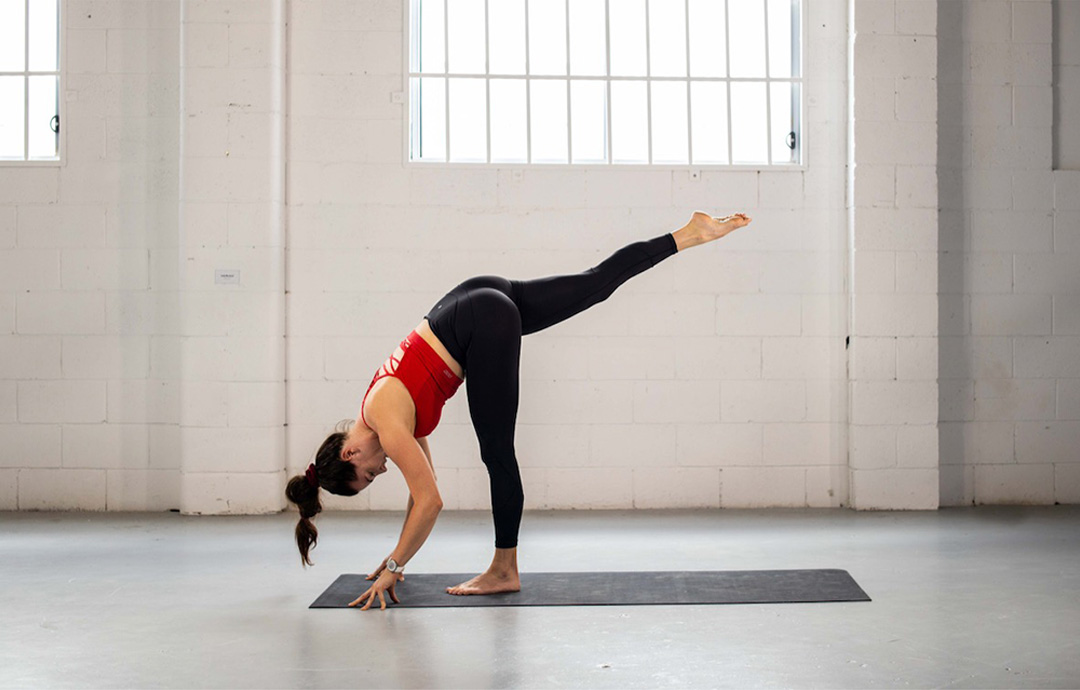
Mat Pilates is the most basic form of Pilates training. It requires minimal space and typically uses only a Pilates mat, similar to yoga practice.
Common mat Pilates exercises include:
The Hundred
Roll-Up
Leg Circles
Single-Leg Stretch
Plank variations
These movements focus on core control, breathing, and body alignment. Because no large equipment is required, mat Pilates is widely practiced at home, in gyms, and in group classes.
Practicing Pilates without equipment has several advantages:
1. Easy to Start
Anyone can begin Pilates with little preparation. A simple Pilates mat and comfortable space are enough.
2. Affordable Fitness Option
Without the need to purchase machines, mat Pilates becomes a cost-effective workout.
3. Portable and Flexible
Mat-based workouts can be done almost anywhere—at home, in the park, or while traveling.
4. Focus on Core Strength
Bodyweight exercises naturally target the abdominal muscles, improving balance and stability.
Although these benefits make mat Pilates appealing, there are also some limitations when no equipment is involved.
While mat Pilates is effective, it may not fully replicate the benefits provided by professional Pilates equipment.
Bodyweight exercises provide some resistance, but they cannot match the adjustable resistance offered by Pilates machines. Equipment such as the pilates reformer machine uses spring systems to increase training intensity.
Many classical Pilates movements were originally designed to be performed on equipment like the Pilates reformer, Pilates Cadillac, and Pilates chair. Without these machines, some exercises cannot be performed properly.
Pilates equipment provides guidance and support that help beginners learn correct posture and alignment. Machines help users maintain proper movement patterns and reduce injury risk.
For professional studios, rehabilitation centers, and advanced fitness programs, Pilates equipment offers significant advantages over mat-only workouts.
Machines such as the Pilates reformer machine use spring resistance that can be customized for different strength levels. This allows beginners and athletes to train effectively.
Unlike mat Pilates, which primarily focuses on the core, Pilates equipment workouts engage the entire body—including arms, legs, back, and stabilizing muscles.
The guided movement systems in Pilates machines help users perform exercises with correct alignment and controlled motion.
Many physiotherapists use Pilates equipment to help patients recover from injuries. Machines provide controlled resistance and support that make rehabilitation safer and more effective.
Professional Pilates studios typically use several types of machines designed for different training purposes.
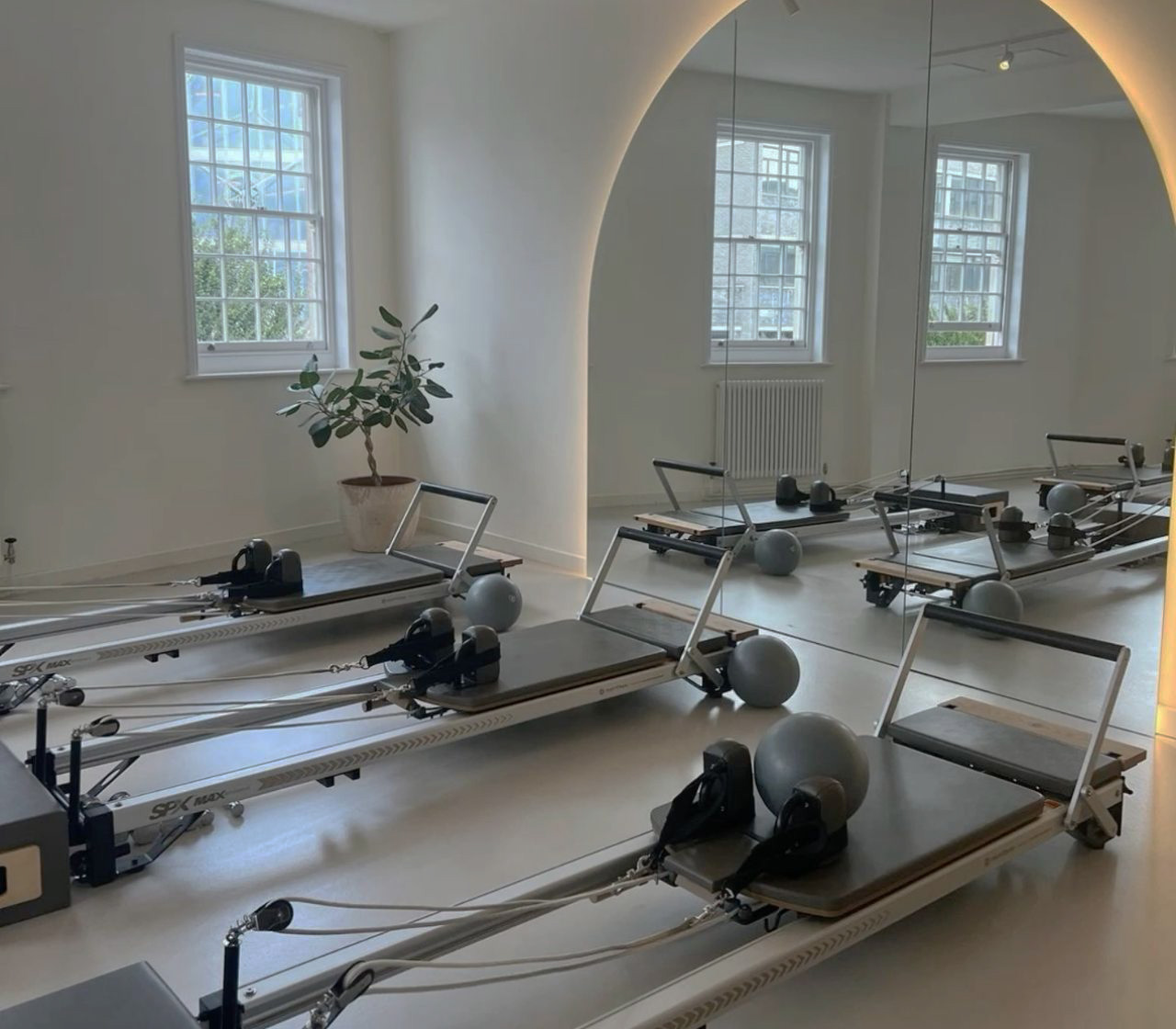
The Pilates reformer machine is the most widely used Pilates equipment. It features a sliding carriage, adjustable springs, and straps that allow for hundreds of exercises targeting strength, flexibility, and stability.
Also known as the trapeze table, the Pilates Cadillac offers a wide range of assisted exercises. It is often used in rehabilitation and advanced training.
The Pilates chair is compact but highly versatile. It is commonly used for balance training, leg strengthening, and advanced core exercises.
This equipment focuses on spinal flexibility, posture improvement, and stretching exercises.
For Pilates studios, investing in high-quality Pilates equipment expands the range of training options available to clients.
Although Pilates can be practiced without machines, the global demand for professional Pilates equipment continues to grow rapidly.
Several factors drive this trend:
Expansion of boutique Pilates studios
Increased focus on rehabilitation fitness
Rising awareness of posture correction and core training
Growing popularity of low-impact workouts
As a result, many gyms, wellness centers, and physiotherapy clinics are investing in commercial-grade Pilates machines.
For Pilates equipment manufacturers, this represents a significant market opportunity.
When selecting a Pilates equipment manufacturer, studios and distributors often consider several key factors:
Quality Materials
High-quality frames, durable springs, and comfortable padding ensure long-lasting equipment.
Precision Engineering
Well-designed Pilates machines provide smooth movement and accurate resistance.
Customization Options
Some suppliers offer customization for color, branding, and size to match studio design.
Bulk Supply Capability
For gym chains or distributors, reliable bulk production and global shipping are essential.
Manufacturers who can provide durable and customizable Pilates equipment are well positioned to meet growing global demand.
So, can Pilates be done without equipment? Absolutely. Mat Pilates provides a convenient and accessible way to practice this effective workout method.
However, for more advanced training, rehabilitation, and professional studio programs, Pilates equipment plays a crucial role. Machines such as the Pilates reformer machine, Pilates chair, and Pilates Cadillac expand exercise possibilities, provide adjustable resistance, and support precise movement.
For fitness studios, gyms, and rehabilitation centers looking to offer comprehensive Pilates training, investing in high-quality Pilates machines and equipment is a smart long-term decision.


Qingyuan Mango Sporting Goods Co., Ltd. is one of the top ten brands of full-set commercial gym equipment in China. It provides and produces a full set of commercial gym equipment and has a complete production process and quality management system to ensure that each product meets the expectations and requirements of customers.
Copyright © 2026 Mango Sports Goods Co., Ltd All rights reserved.



 English