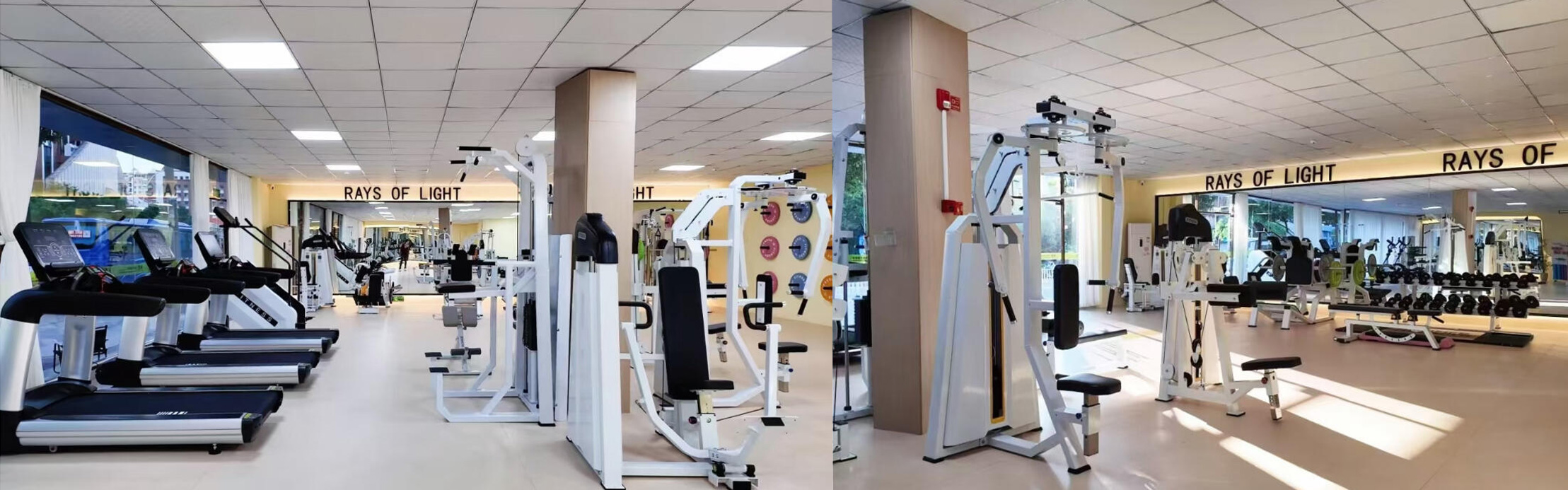
What is the Difference Between Yoga and Pilates?Yoga and Pilates are two popular low-impact fitness systems that improve strength, flexibility, posture, and mind–body awareness. While they may appear similar at first glance, their origins, philosophies, movement patterns, and training tools are quite different. Understanding these differences helps practitioners choose the right method for their goals. For those interested in Pilates, using professional Pilates equipment and specialized Pilates apparatus can significantly enhance results, especially in a Professional Pilates studio or commercial training environment.
Origins and Core Philosophy
Yoga has a history of more than 5,000 years and originated in ancient India. It is rooted in spiritual and philosophical traditions that emphasize harmony between body, breath, and consciousness. Yoga practice combines postures, breathing techniques, and meditation. The primary goal is not only physical health but also inner balance and mental clarity. Many practitioners are drawn to yoga for stress reduction and emotional regulation, which are often highlighted among known Pilates benefits and yoga benefits alike—but yoga places a stronger emphasis on spirituality and meditation.
Pilates, by contrast, is a modern movement system developed in the early 20th century by Joseph Pilates. It is based on anatomy, biomechanics, and controlled exercise principles. Joseph Pilates originally called his method “Contrology,” referring to the conscious control of muscles through precise, structured movement. Rather than focusing on spiritual union, Pilates emphasizes alignment, core stability, injury prevention, and functional strength through structured Pilates machine and mat training.
Training Focus and Movement Style
Yoga movements typically include static and flowing postures performed in standing, seated, kneeling, or inverted positions. Many poses are held for several breaths to build flexibility and concentration. Breathing patterns are deeply integrated into the movement, and relaxation is a central objective. Yoga is especially effective for improving mobility, balance, and mental calm.
Pilates movements are more technique-driven and detail-oriented. The focus is on core muscles — including the abdomen, lower back, hips, and pelvic floor — often referred to as the “powerhouse.” Exercises are usually performed in controlled, small ranges of motion with careful attention to alignment and muscle engagement. Repetition and precision are key. see measurable Pilates benefits such as improved posture, stronger deep muscles, better joint support, and enhanced movement efficiency.
Equipment Differences
One of the most visible differences between the two systems is equipment use.
Yoga requires minimal tools — usually just a mat, sometimes blocks, straps, or bolsters. This makes yoga highly accessible and easy to practice anywhere.
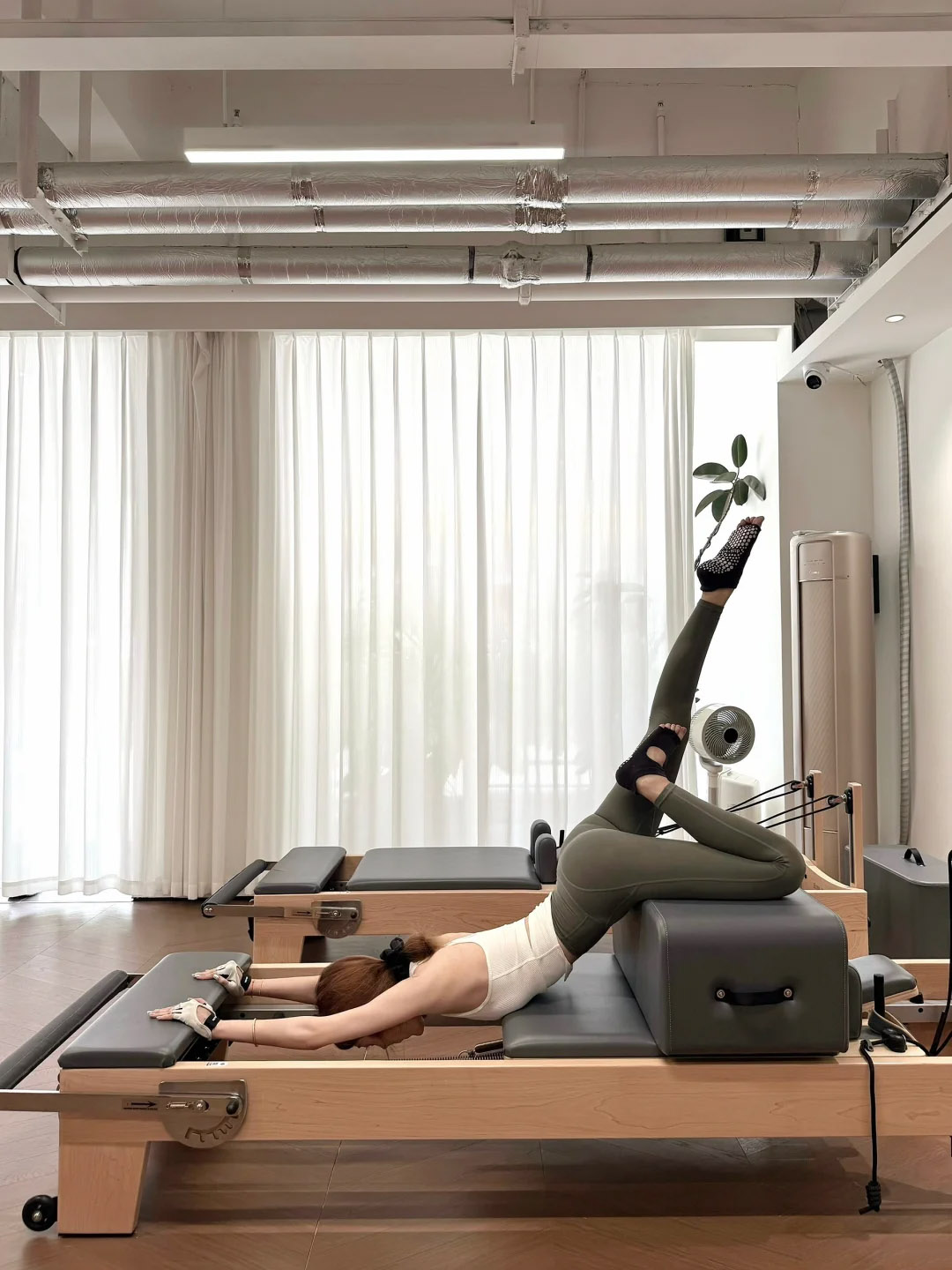
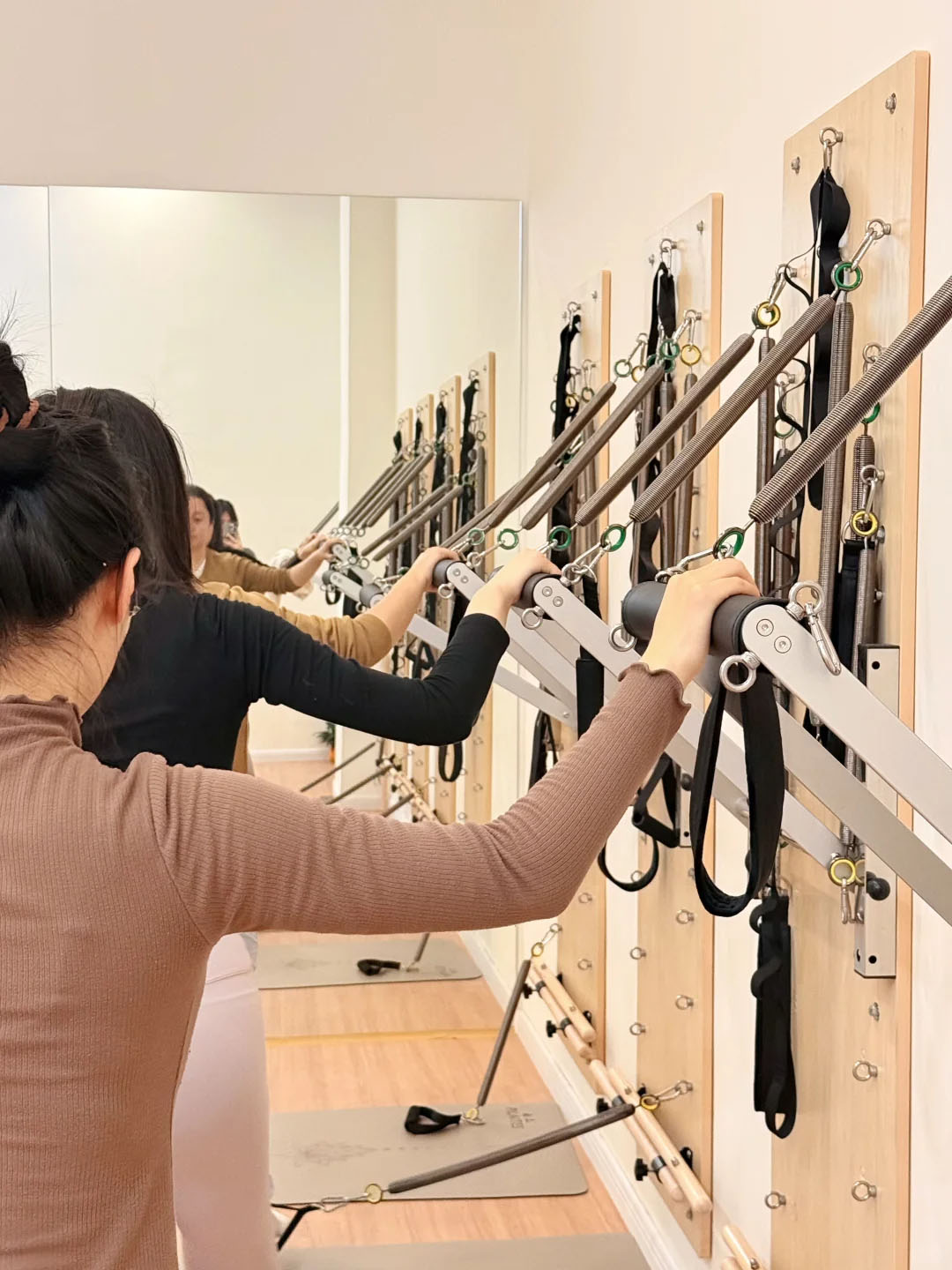
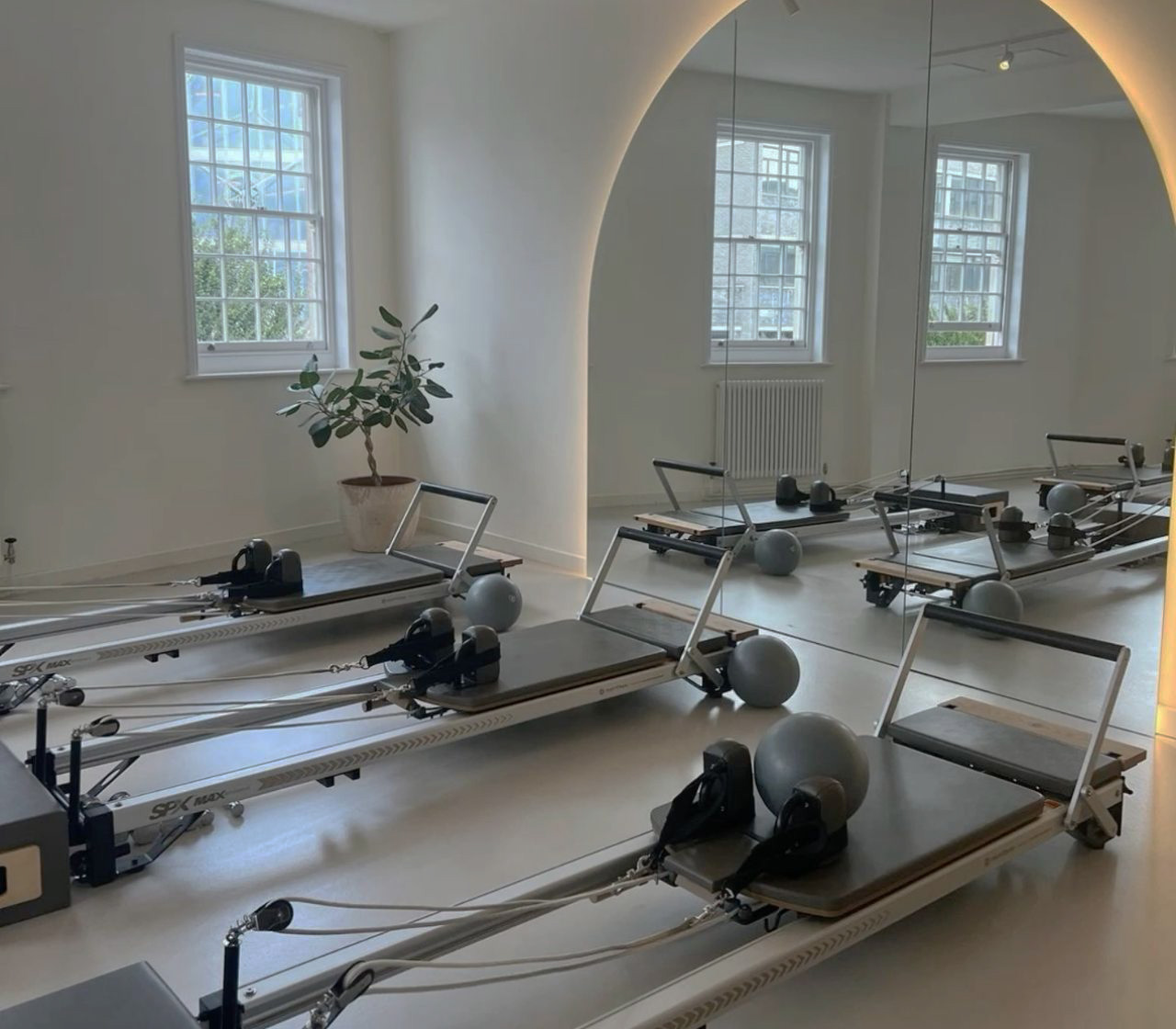
Pilates, however, often incorporates specialized Pilates apparatus designed to provide resistance, support, and movement guidance. These tools expand exercise possibilities and allow for both progression and rehabilitation work. Common types of Pilates equipment include:
pilates reformer — the most widely used Pilates machine, featuring a sliding carriage and spring resistance system
Cadillac Pilates equipment — also known as a trapeze table, used for assisted and advanced full-body exercises
Wunda Chair — a compact but powerful resistance unit for strength and stability training
Barrels, spine correctors, and towers — used to improve spinal mobility and posture
Because of these tools, Pilates is widely used not only for fitness but also for physical therapy and corrective exercise. Fully equipped studios are often categorized as Professional Pilates studios and require durable, precision-engineered Commercial gym equipment standards.
Who Is Pilates Suitable For?
Pilates is suitable for a wide range of people, including:
Beginners needing guided, low-impact training
Athletes seeking core strength and performance support
Office workers improving posture
Rehabilitation clients under supervision
Boutique studio members wanting structured Pilates machine workouts
With adjustable resistance systems, Pilates reformer, Cadillac Pilates equipment, and Wunda Chair setups can be modified for different body conditions and skill levels.
Choosing Between Yoga and Pilates
Choosing between yoga and Pilates depends on your primary goals:
Choose yoga if you want flexibility, relaxation, and mind–body balance with minimal equipment.
Choose Pilates if you want structured core training, posture correction, and progressive resistance work using Pilates machines and specialized Pilates apparatus.
Both systems complement each other well, and many people practice both. For those building or upgrading a Professional Pilates studio, investing in high-quality China Pilates equipment from a trusted Pilates equipment manufacturer ensures safety, performance, and long-term value.
If you want, I can next turn this into an SEO version for your website with meta description, headings, and keyword density control.
About China MANGO Pilates Equipment Manufacturer
For studios and distributors seeking reliable Pilates equipment supplier partners, choosing an experienced Pilates equipment manufacturer is essential.
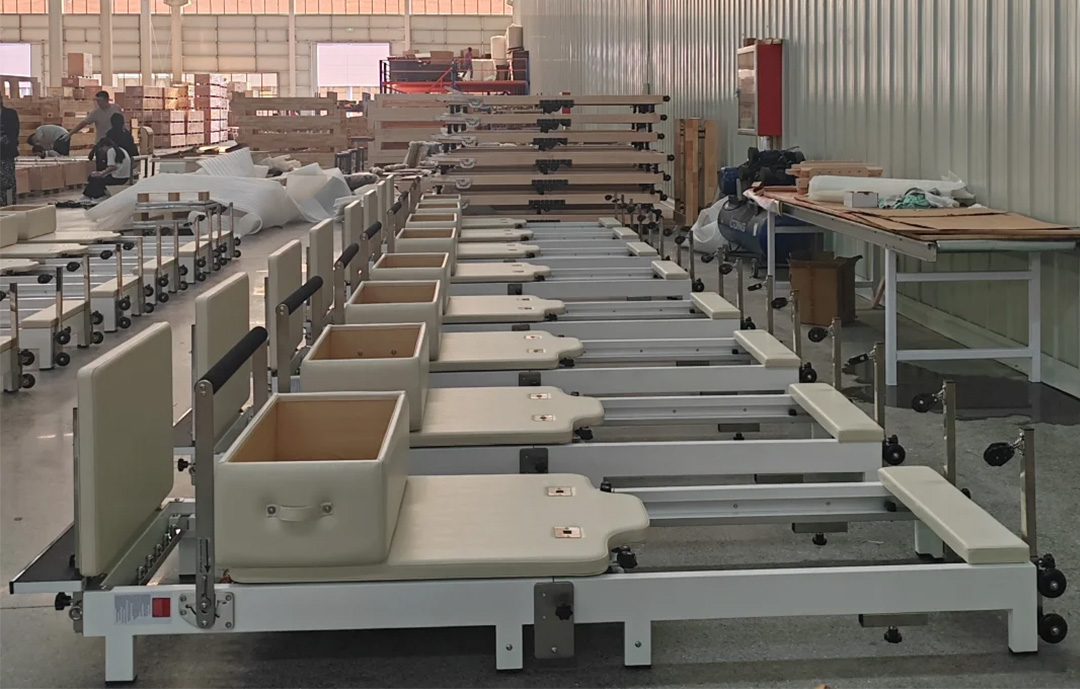
China MANGO Fitness Equipment Factory is an independent Chinese Pilates equipment manufacturer specializing in the design and production of professional Pilates apparatus and Commercial gym equipment. The company as a China-based manufacturing brand focused on global studio and distributor needs.
MANGO provides a full range of China Pilates equipment, including:
Pilates Reformer systems
Cadillac Pilates equipment
Wunda Chair models
Ladder barrels and spine correctors
Studio packages for Professional Pilates studio setups
The factory integrates product design, R&D, manufacturing, and export service, offering OEM and ODM solutions for global buyers. With standardized production processes, quality control systems, and international certifications, MANGO serves as a dependable Pilates equipment supplier for distributors, studios, and project buyers worldwide. Its product line is built for durability, precision, and long-term studio use.



GUANGZHOU GANAS FITNESS EQUIPMENT CO.,LTD is one of the top ten brands of full-set commercial gym equipment in China. It provides and produces a full set of commercial gym equipment and has a complete production process and quality management system to ensure that each product meets the expectations and requirements of customers.
Copyright © 2026 Mango Sports Goods Co., Ltd All rights reserved.



 English