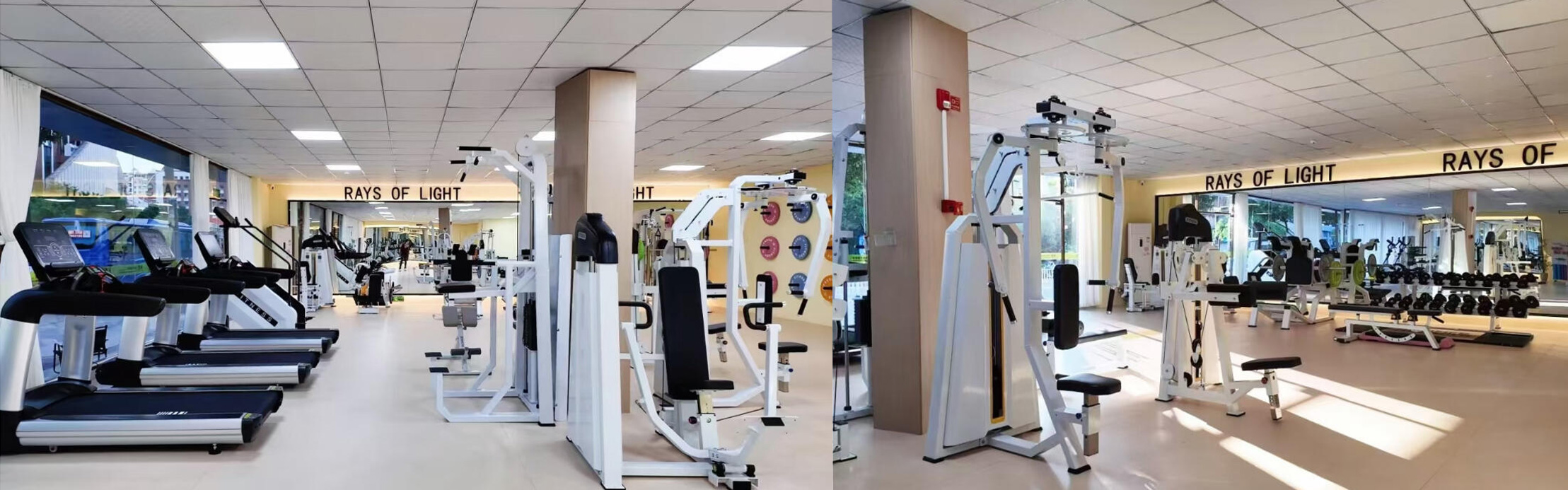
The pilates reformer is one of the most effective and versatile fitness machines used in modern Pilates training. Whether you are a beginner, a fitness enthusiast, or a studio owner, learning how to use a Pilates reformer correctly is essential for achieving safe, controlled, and effective workouts.
This guide explains the structure of a Pilates Reformer Machine, step-by-step usage instructions, beginner exercises, safety tips, and who can benefit from reformer Pilates workouts.
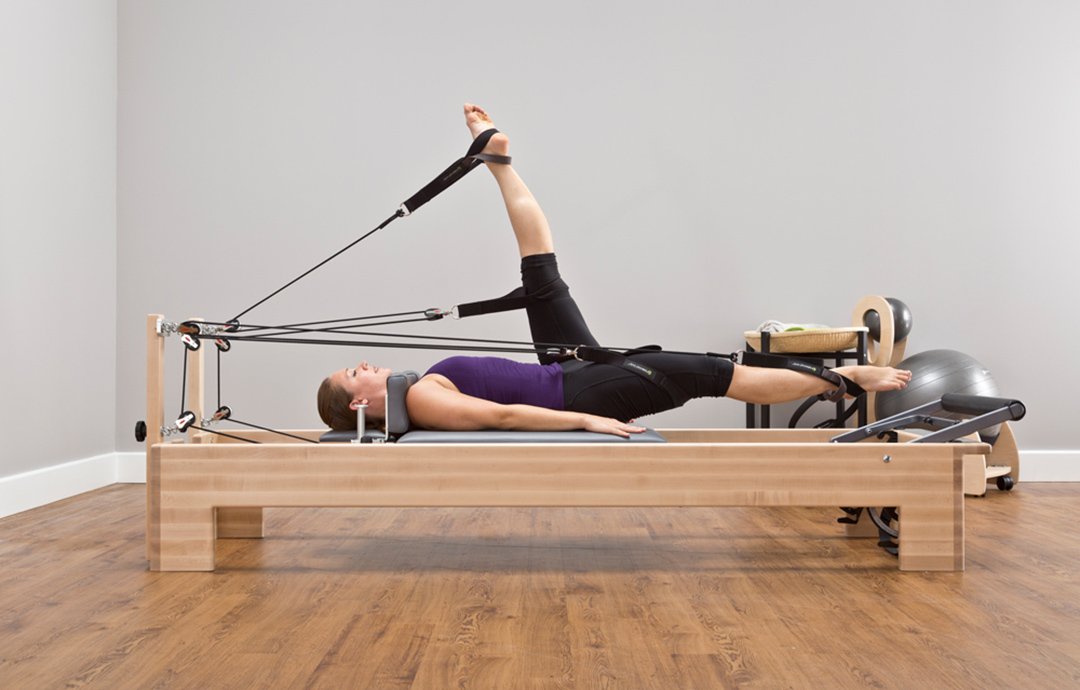
A Pilates reformer machine is a specialized piece of Fitness Equipment designed to support resistance-based Pilates exercises. It uses adjustable springs, a sliding carriage, and straps to provide smooth, controlled movement.
Key components include:
Sliding carriage
Resistance springs
Footbar
Shoulder blocks
Headrest
Ropes and straps
Unlike mat Pilates, reformer Pilates exercises allow users to perform full-body workouts with variable resistance, making them suitable for beginners and advanced users alike.
Before starting any Pilates reformer workout:
Select appropriate spring resistance (lighter springs for beginners)
Adjust the footbar height
Set the headrest and shoulder blocks for comfort and alignment
Proper setup ensures safety and maximizes training effectiveness.
Depending on the exercise, you may start:
Lying on your back
Sitting upright
Kneeling
Lying face down
Keep these basics in mind:
Maintain a neutral spine
Engage your core muscles
Relax your shoulders and neck
Good alignment is essential when learning how to use a Pilates reformer for beginners.
Leg Press Exercise
Lie on your back with feet on the footbar
Push the carriage away using your legs
Slowly return with control
Targets legs, glutes, and core
Arm Pull with Straps
Hold the straps while lying or seated
Pull arms forward or downward against resistance
Strengthens arms, shoulders, and upper back
Core Stability Exercises
Focus on controlled movement of the carriage
Maintain abdominal engagement
Improves balance, posture, and core strength
These movements form the foundation of most reformer Pilates workouts.
Breathing plays a vital role in Pilates:
Exhale during effort
Inhale during return or preparation
Coordinated breathing enhances muscle control and improves workout efficiency on the Pilates reformer machine.
Start with low resistance
Move slowly and with control
Avoid locking joints
Keep your core engaged at all times
Train under professional guidance if possible
Following these tips helps beginners safely adapt to Pilates reformer exercises.
A commercial Pilates reformer or home reformer is suitable for:
Beginners learning Pilates fundamentals
Rehabilitation and physical therapy users
Fitness enthusiasts seeking low-impact training
Pilates studios and gyms
Posture correction and flexibility improvement
Because resistance is adjustable, the Pilates reformer accommodates different fitness levels.
Full-body muscle engagement
Improved core strength and flexibility
Low-impact, joint-friendly workouts
Better posture and balance
Customizable resistance for progressive training
These advantages make reformer Pilates one of the most popular functional training methods worldwide.
Understanding how to use a Pilates reformer correctly is the key to unlocking its full training potential. By mastering proper setup, movement control, breathing techniques, and basic reformer Pilates exercises, users can enjoy safe, effective, and results-driven workouts.
Whether for home use or professional studios, the Pilates reformer machine remains an essential tool for modern fitness and rehabilitation training.
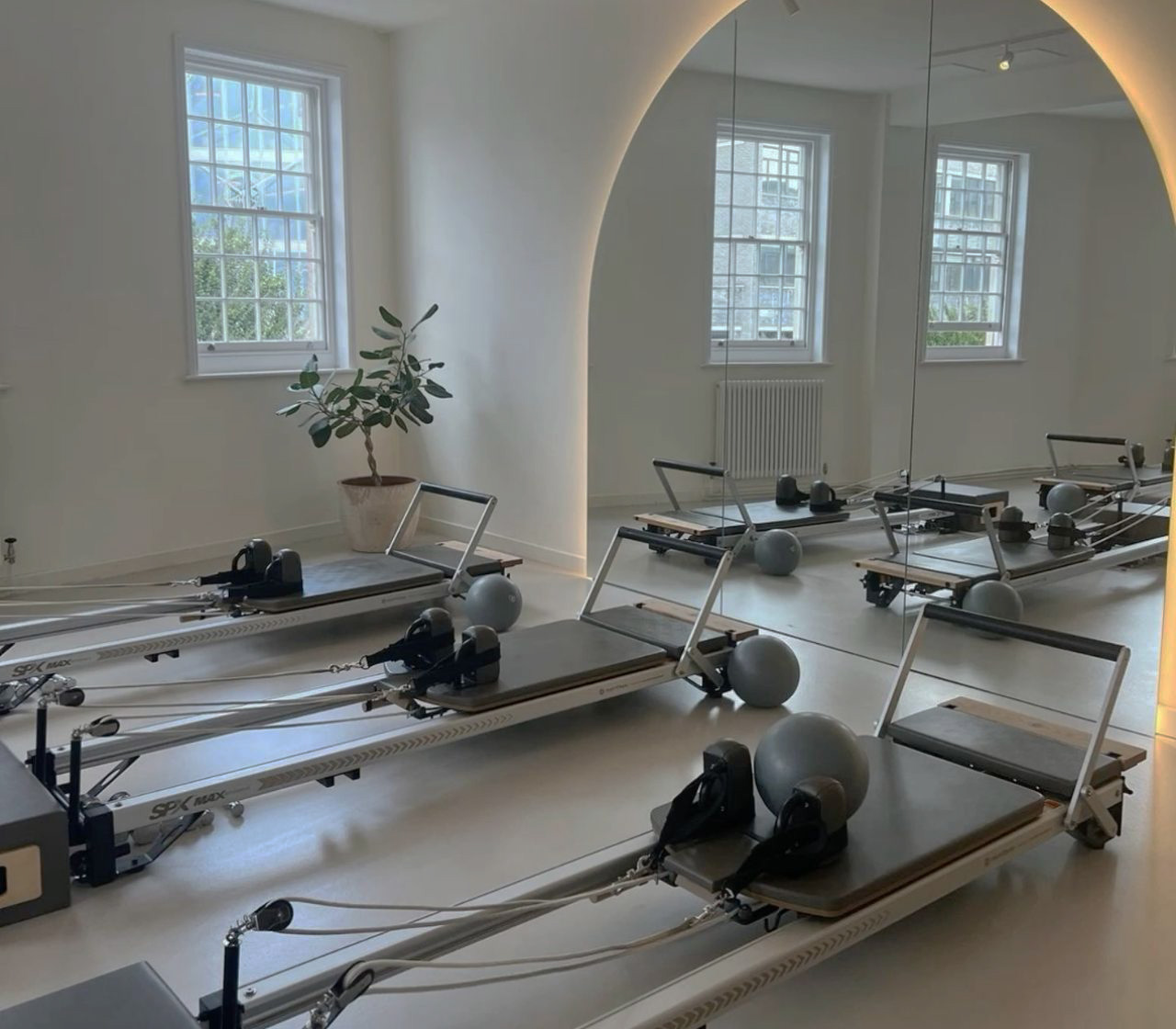








GUANGZHOU GANAS FITNESS EQUIPMENT CO.,LTD is one of the top ten brands of full-set commercial gym equipment in China. It provides and produces a full set of commercial gym equipment and has a complete production process and quality management system to ensure that each product meets the expectations and requirements of customers.
Copyright © 2026 Mango Sports Goods Co., Ltd All rights reserved.



 English